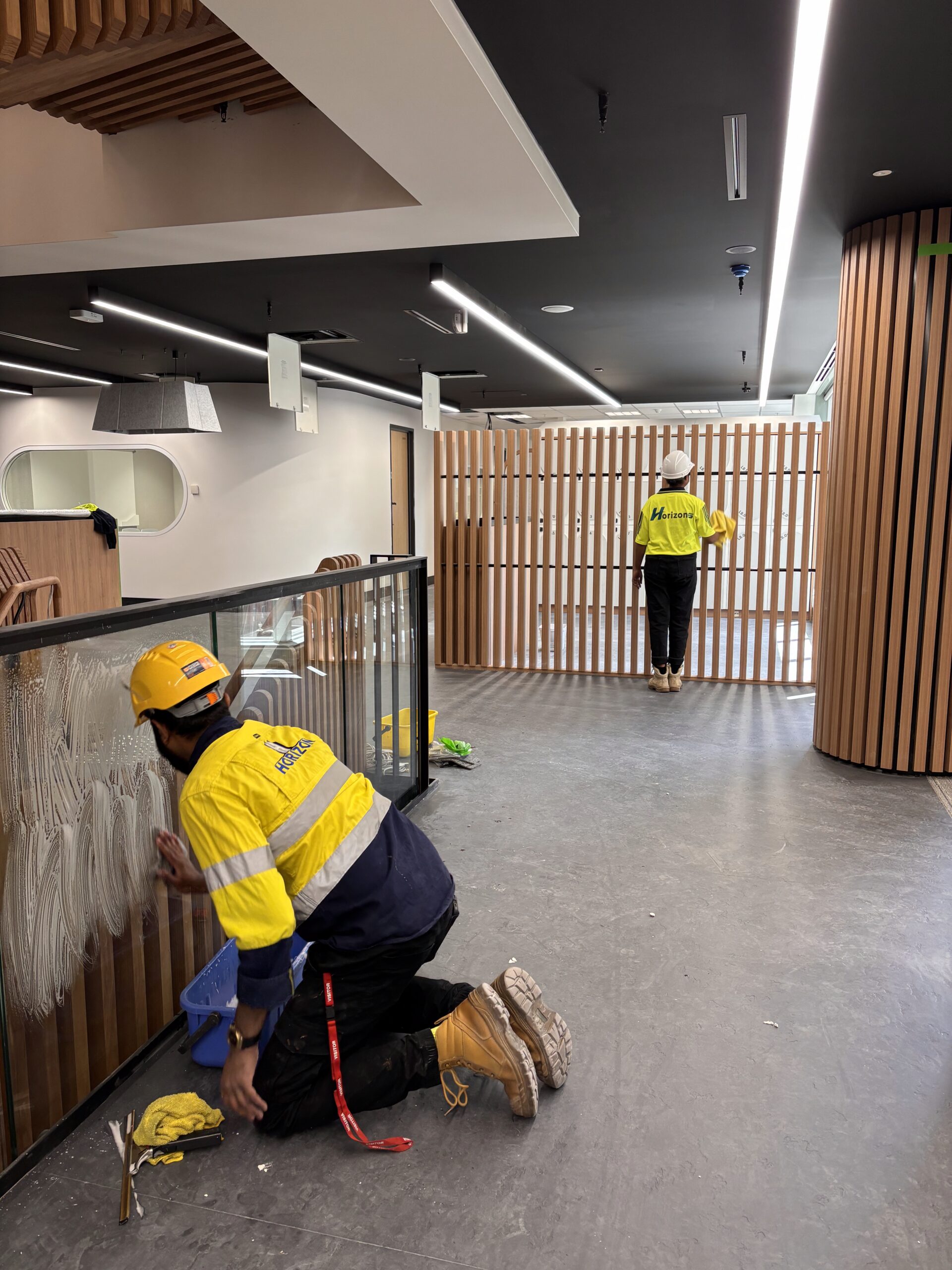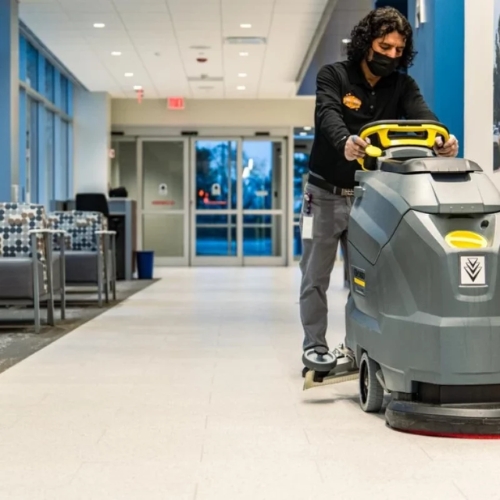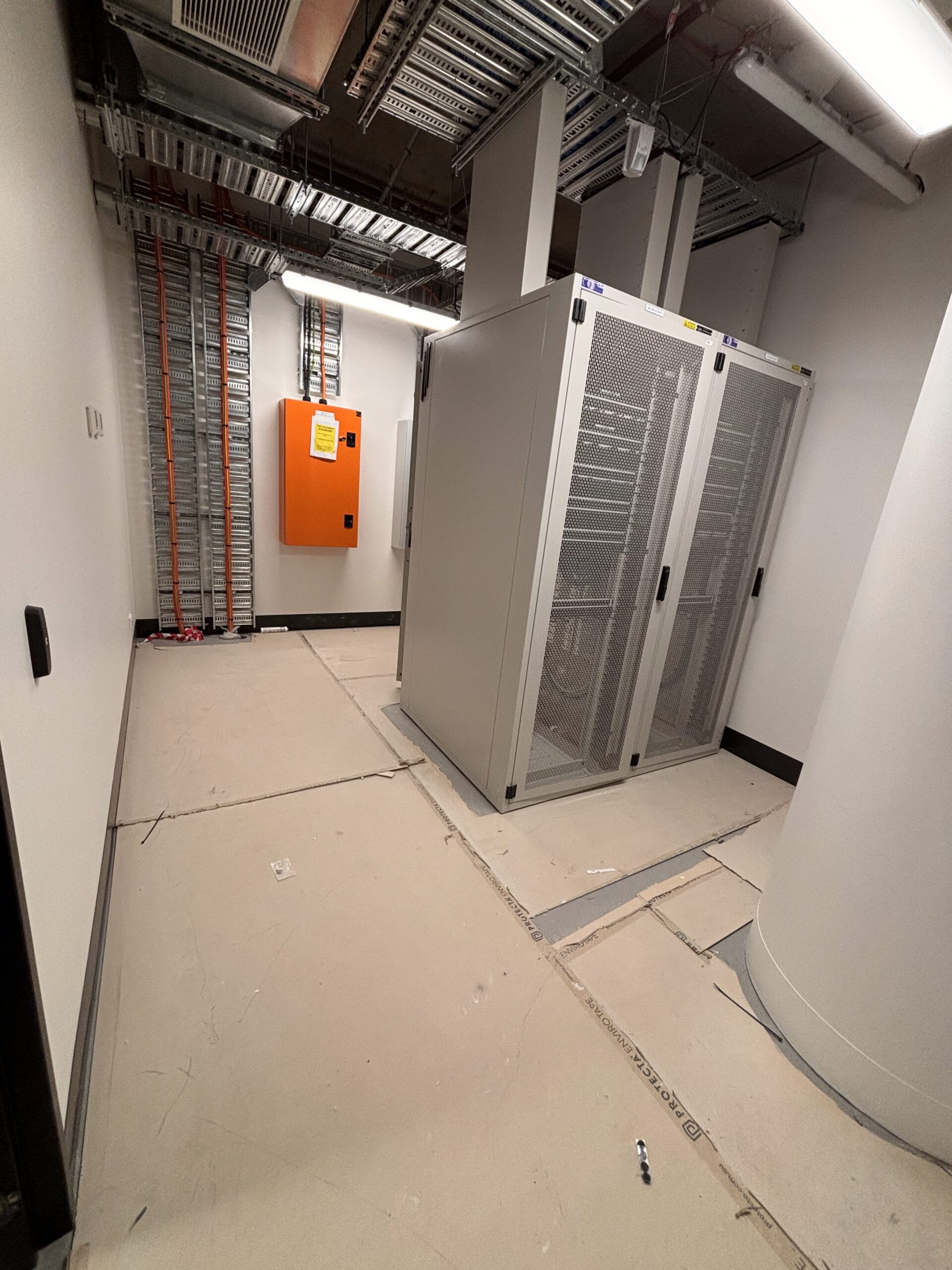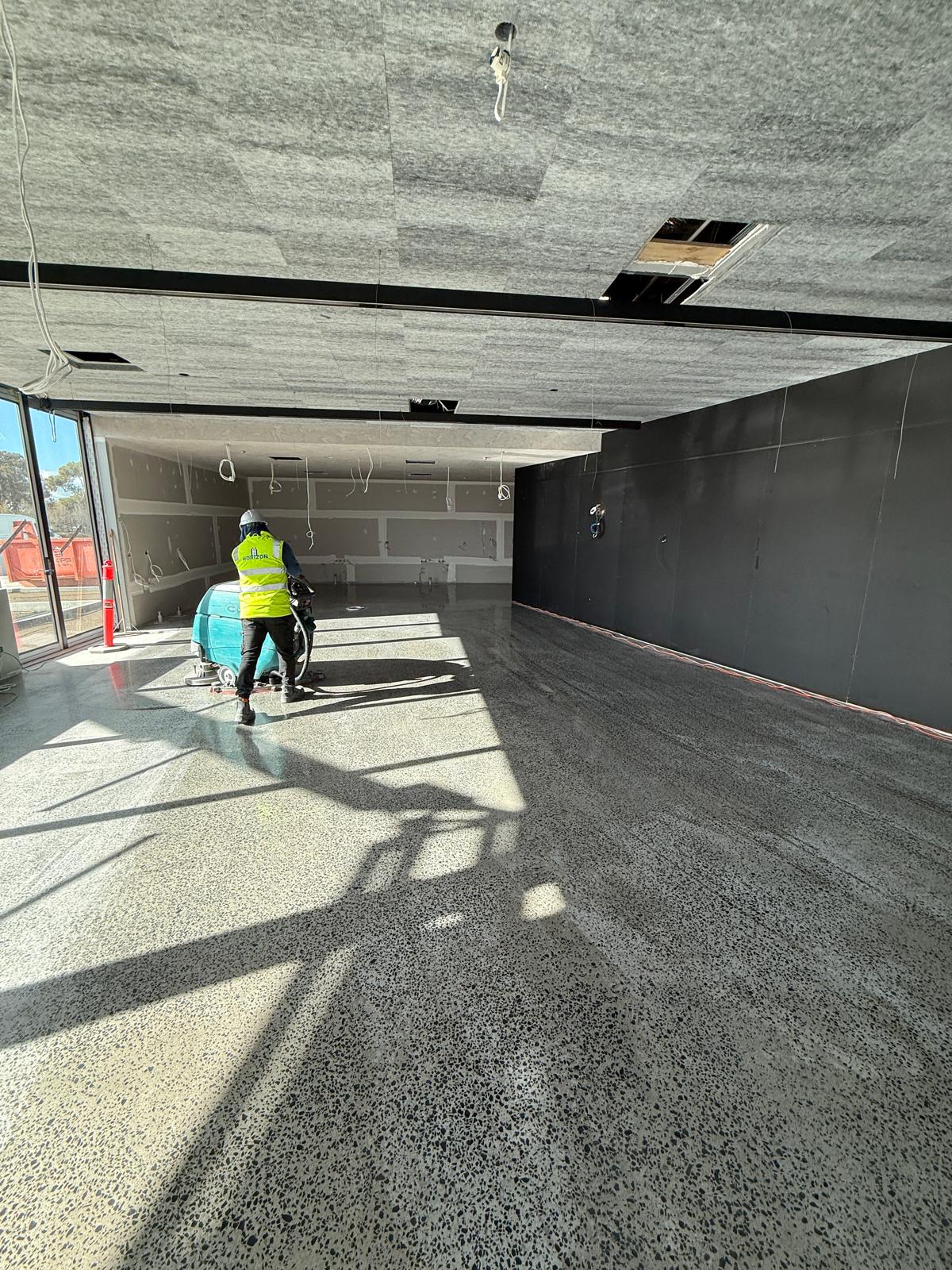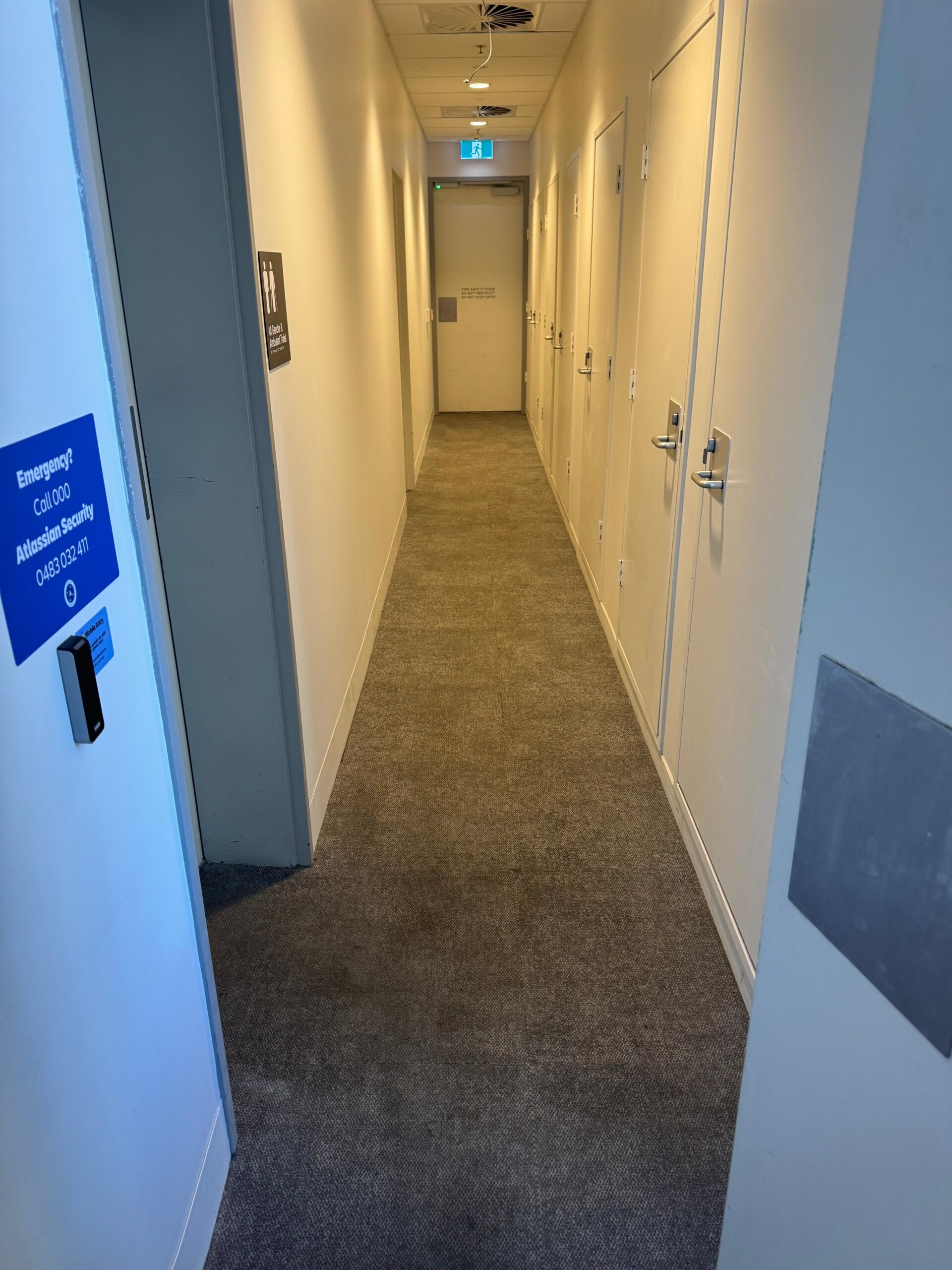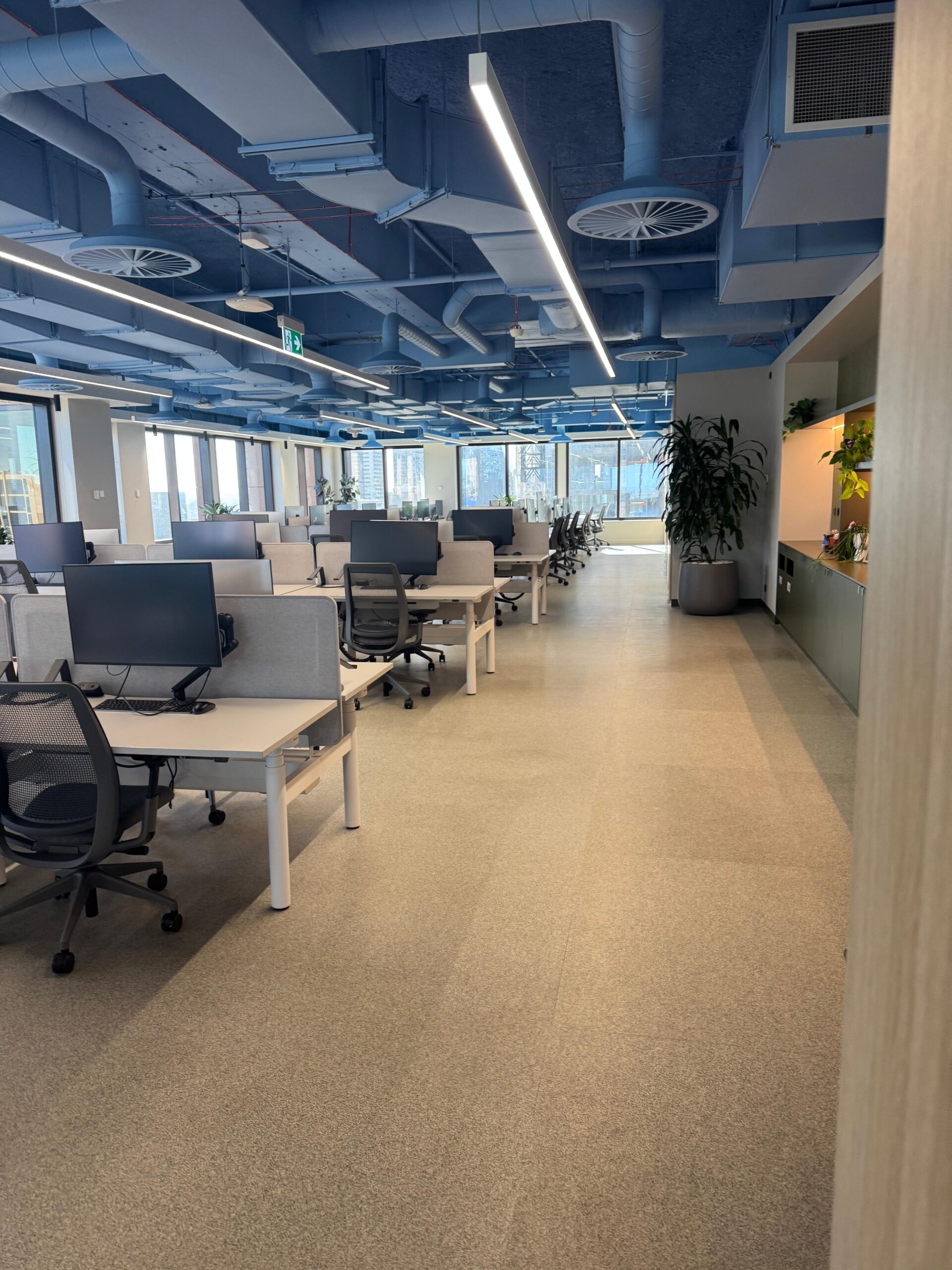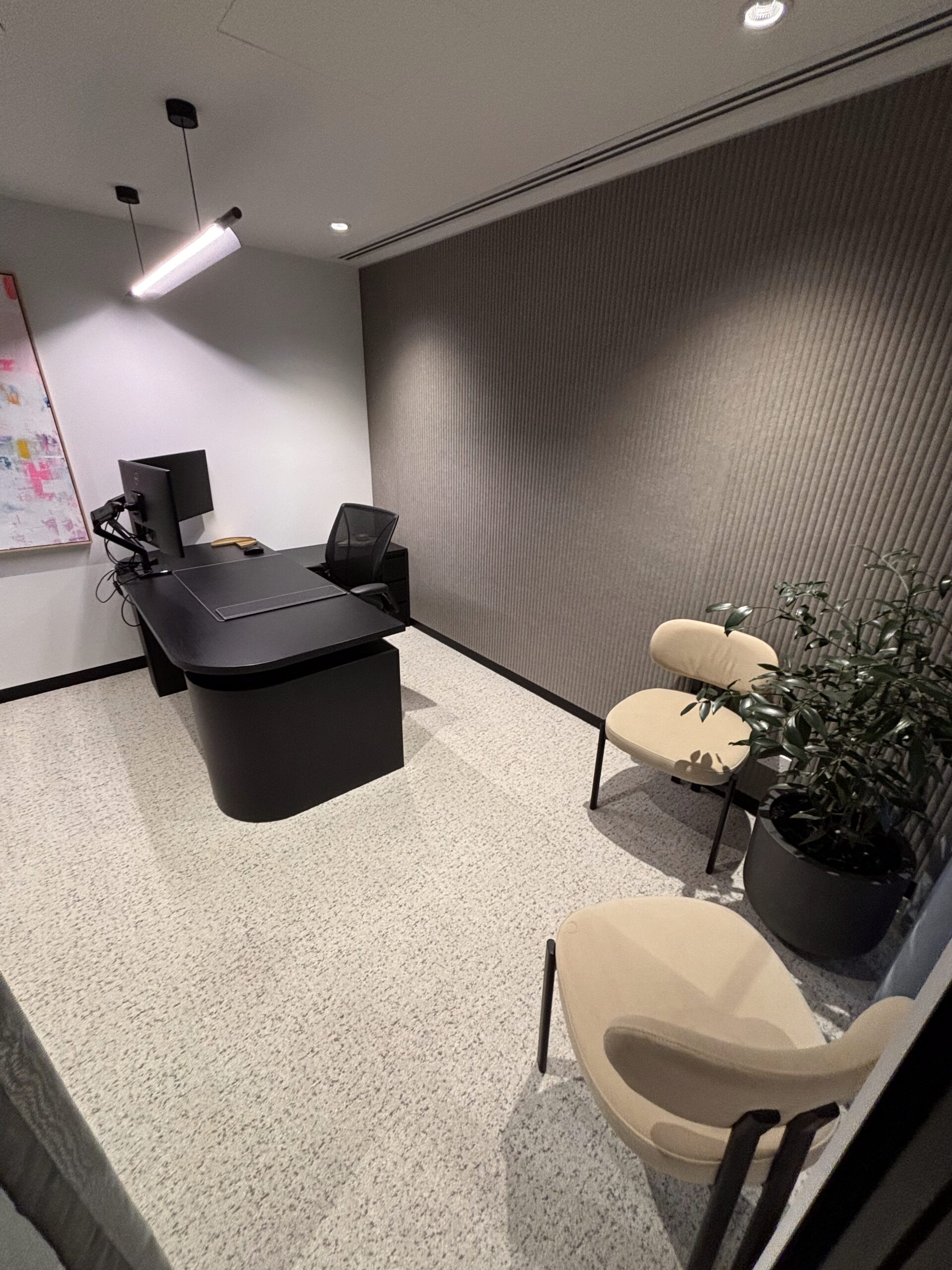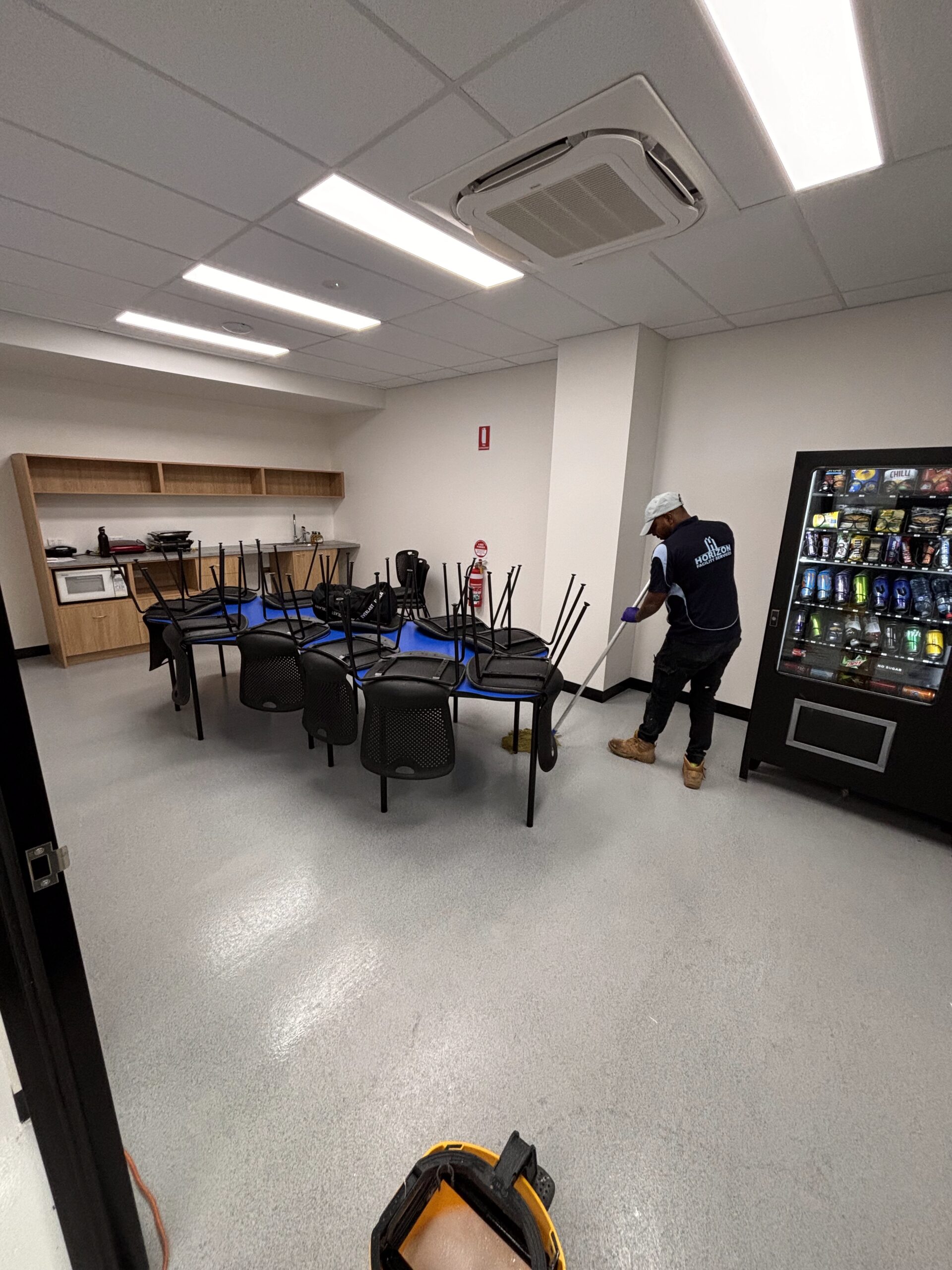








Horizon has followed a wide range of standard operating procedures over its 10 years of data centre cleaning. This broad exposure to a range of protocols puts Horizon in a position to work with you to devise a safe and effective plan for cleaning data centres. The Horizon team is made up of experts with knowledge of controlled environments, and HVAC air handling. Please do not hesitate to contact Horizon to create custom cleaning protocols and maintenance schedules that meet your facility’s needs and standard operating procedures.
Horizon complies with ISO 14644-1, which was created by the International Standards Organisation (ISO) with the express purpose of assessing the air quality in cleanrooms and similar controlled environments. Data centres are being categorised by the IT industry as controlled environments more and more, with ISO 14644 being cited as a worldwide recognised standard with quantifiable cleanliness goals. Maintaining data centre facilities in accordance with cleanroom standards improves both cleanliness and operatonal dependability. Horizon uses and interprets ISO 14644 standards and measurements in a unique way, drawing on its two decades of expeirnece in cleanroom cleaning, to improve data centre cleanliness.
A major obstacle that frequently arises during the handover of a newly built cleanroom is the absence of a well-defined Scope of Works (SOW) for post-construction cleaning. Although builders must deliver a clean facility that meets specific standards, it’s your responsibility as data facility owner to ensure all dust pollutants are removed before certification. Ignoring the removal of dust residue and particles produced during construction may cause these pollutants to linger in the environment for a long time. A complete cleanroom standard cannot be attained by just removing visible dirt; particles must be removed down to sub-micron sizes, which are undetectable to human sight.
Without specific cleanroom cleaning knowledge, tools, and techniques, builders and ordinary cleaners could find it difficult to clean surfaces to the necessary ISO Class level. Inappropriate equipment use may potentially put cleanroom surfaces at risk of damage, increasing their susceptibility to germs and particles. Builders should work with professionals experienced in cleanroom cleaning to create a customized SOW for post-construction cleaning to reduce the possibility of a failed clean.
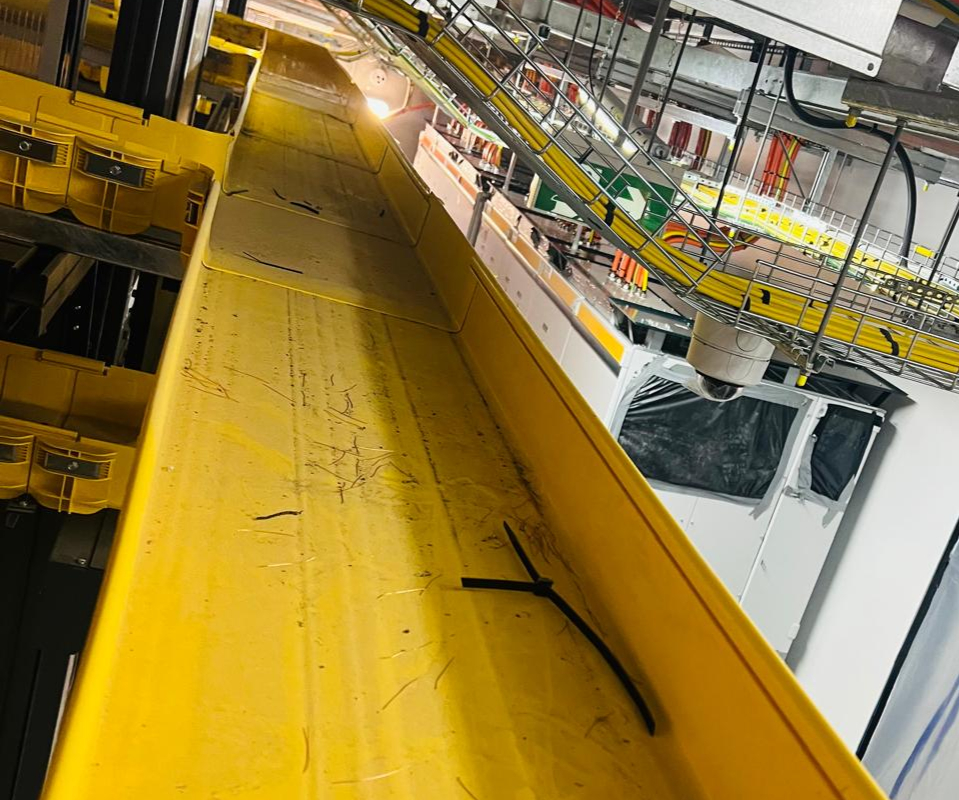
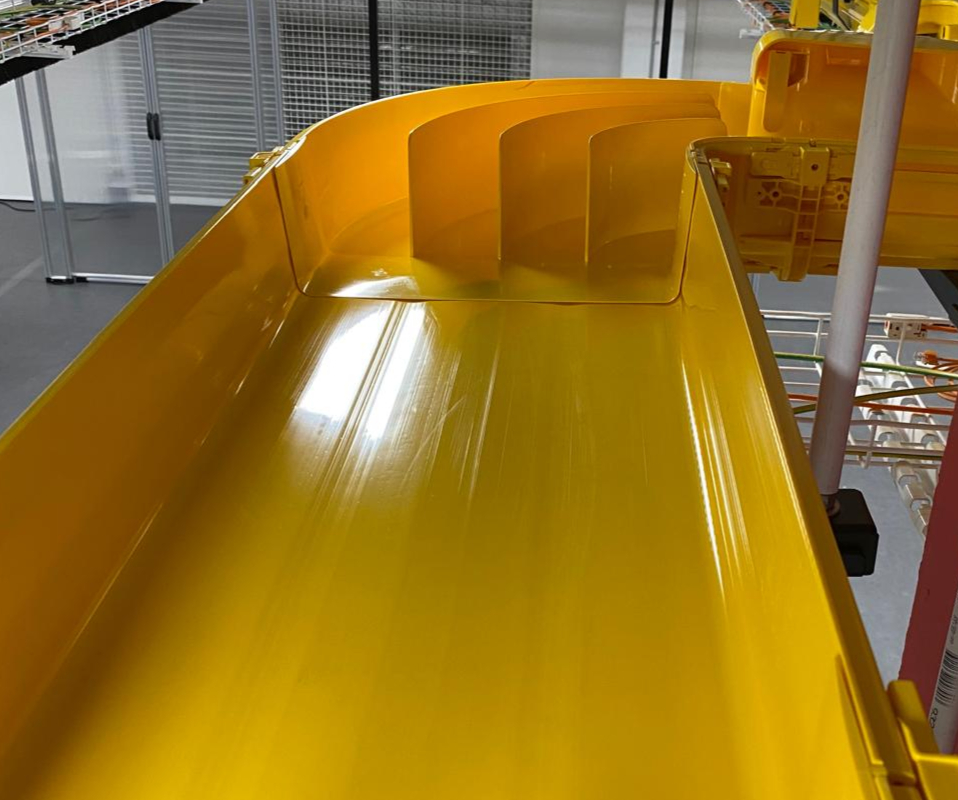
Standard operating procedures created for cleanrooms that are fully operational are not the same as this post-construction SOW. Depending on the room’s ISO Class, there are two or even three steps involved in the process. The first phase focuses on eliminating large debris and heavy construction dust. This prepares the environment for more detailed cleaning and ensures that fineparticle removal can be carried out effectively. The next phase targets fine pollutants that remain after the initial clean. Antistatic cloths and specialist equipment are used to safely remove fine dust without generating additional static or airborne particles. Finally, the facility is prepared for prevalidation or sterile cleaning. An air particle report, produced using a handheld particle counter, helps determine whether the postconstruction clean has achieved the required ISO Class particle levels. This step provides measurable assurance that the environment is ready for operational use.
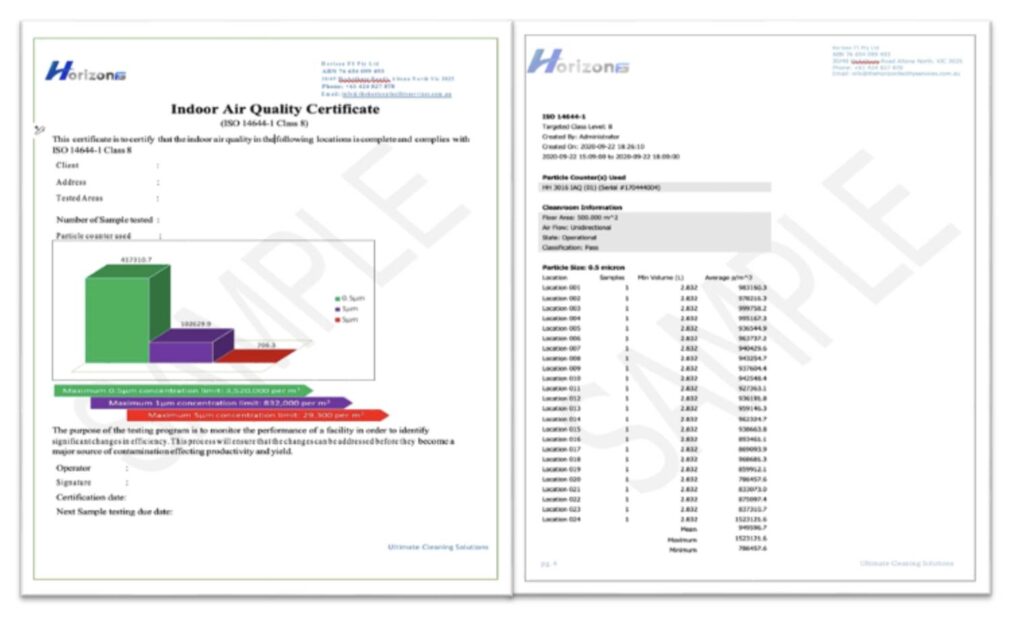
Monitoring the cleanroom’s air quality on a regular basis provides information on how well your technical cleaning procedures are working. Increased particle counts might be a sign of problems with air filtration or other environmental management mishaps. We may help you with your environmental surveillance initiatives. Our reports verify if the quality of the air meets, falls short of, or is higher than specified criteria. Horizon air particle reports are a useful internal benchmark when they are utilised regularly. By choosing Horizon for particle testing, you may avoid paying yearly calibration costs and purchasing cost of machineries. This service, which frequently comes after a cleaning service, may be easily included into your regular facility maintenance schedule. Horizon uses the ISO 14644 approach, measuring particles in six diameters ranging from 0.5 to 25 microns, and selectively sampling sites. Following the measurement, we provide a detailed written report that includes suggestions, a breakdown of the data, the actual results, a map of the sample points, and an optional visual profile that shows the locations with the greatest concentrations of particles.
Horizon post-construction cleaning services for cleanrooms are available Victoria, and Tasmenia. Ongoing cleaning is now a crucial part of overall facility management once a cleanroom is operational. Maintaining a regular cleaning schedule helps control the dust particles created while a space is in use. Larger particles can be removed while vacuuming by using HEPA-filtered vacuums, and micron-level particulates can be removed by damp-wiping with the anti-statistic wipers and mops. The cleaning crew’s competence, training, and adherence to protocols are just as important to the preservation of site cleanliness as is their use of the proper tools and cleaning solutions. Horizon evaluates the daily, weekly, and monthly cleaning schedule in addition to the documentation and validation requirements.
Tell us about your cleaning needs, whether it’s industrial, commercial, or specialised spaces like data halls, schools, hospitals, building, or warehouses.
We’ll assess your site and provide a transparent, obligation-free quote tailored to your requirements.
Choose a time that works best for you, our professional team will arrive as scheduled, handle everything efficiently, and leave your space spotless, safe, and ready for business.
Need fast and reliable dehumidifier hire in Victoria or air scrubber and air mover rentals for your next project? Contact us today for a free, no-obligation quote — we’ll match the right equipment and eco-safe solutions to your environment.
A dehumidifier removes moisture from the air, while an air mover circulates airflow to speed up surface drying. Used together, they deliver faster and more efficient drying outcomes.
Yes. We supply compact, user-friendly units suitable for homes, apartments, and small offices, as well as heavy-duty models for industrial use.
Drying duration depends on room size and moisture level — typically 24–72 hours. Our experts will recommend the ideal hire period after assessment.
Yes. We offer full delivery, on-site setup, and pickup services across Victoria, ensuring correct placement and safe, efficient operation.
Absolutely. We use biodegradable, non-toxic cleaning agents that protect your surfaces, people, and the environment while maintaining exceptional cleaning performance.

We are committed to the best quality in industrial cleaning.